
AI: A Boon, a Bane, or a Mirror to How We Choose to Use It?
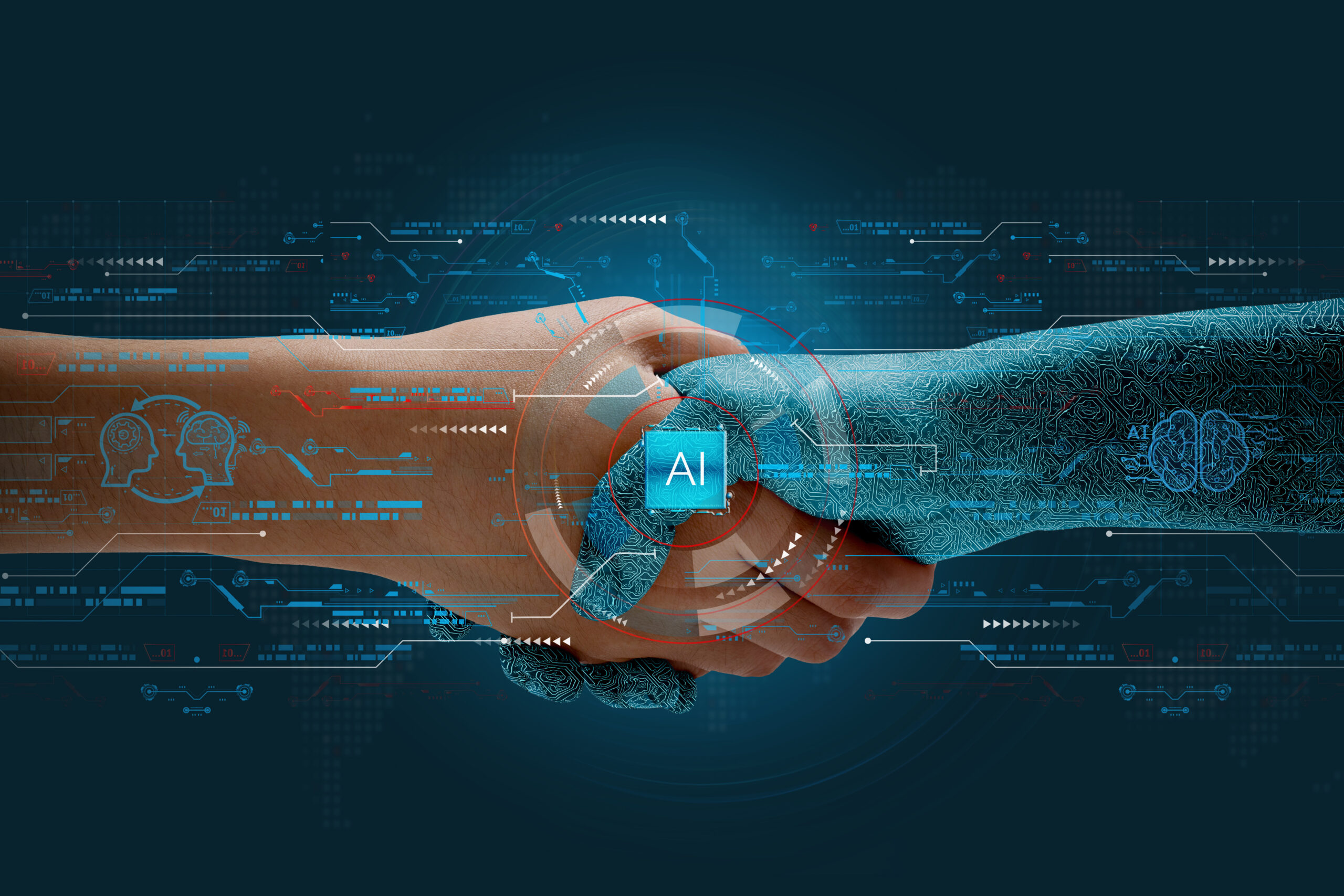 Artificial Intelligence is no longer a concept of the future—it is a living presence shaping how we work, learn, communicate, and make decisions. From smart recommendations and automation to advanced data analysis and creative tools, AI has entered everyday life quietly yet powerfully. This has sparked a growing debate: Is AI a boon or a bane?The honest answer lies somewhere in between—and largely depends on human intent, awareness, and responsibility.
The Boon: When AI Becomes an Enabler
AI’s greatest strength is its ability to enhance human potential. It can process massive amounts of data in seconds, identify patterns humans may miss, and automate repetitive tasks—freeing people to focus on creativity, strategy, and empathy. In healthcare, AI supports early diagnosis and personalised treatment. In education, it enables customised learning paths. In entrepreneurship and business, AI improves efficiency, market understanding, customer engagement, and decision-making.
For individuals and communities with limited access to resources, AI can be a powerful equaliser. It opens doors to learning, skill enhancement, innovation, and global reach—often at low cost. When used ethically, AI accelerates growth, saves time, reduces errors, and supports informed choices.

The Bane: When Control Is Lost
The risks of AI emerge when adoption outpaces understanding and accountability. Job displacement due to automation, misuse of data, privacy breaches, algorithmic bias, and over-dependence on machines are real concerns. When AI systems are trained on biased data, they can reinforce inequality rather than eliminate it. When decisions are blindly handed over to algorithms, human judgment and empathy risk being sidelined.
Another subtle danger is mental dependency—when people stop thinking critically, learning deeply, or questioning outcomes because “the system said so.” AI should support human intelligence, not replace it.

The Real Question: Who Is in Control?
AI itself is neutral. It does not carry intent, ethics, or emotion. The real issue is not whether AI is good or bad—but how humans choose to design, deploy, and regulate it. Technology reflects the values of those who build and use it. With conscious governance, transparency, and ethical frameworks, AI can remain a tool of empowerment rather than exploitation.
A Future of Coexistence, Not Competition
The most sustainable future lies in human–AI collaboration. AI can handle speed, scale, and precision; humans bring intuition, creativity, compassion, and moral reasoning. Together, they can solve complex problems—from climate change to inclusive development—if guided by responsibility.

The Way Forward
Instead of fearing AI or glorifying it blindly, society must invest in:
- AI literacy and awareness
- Ethical design and regulation
- Skill enhancement for future readiness
- Human-centric innovation

AI is neither a guaranteed boon nor an inevitable bane.
It is a powerful mirror—reflecting our priorities, values, and choices.
🌱 In the end, AI will not define our future.
Our wisdom in using it will.


