
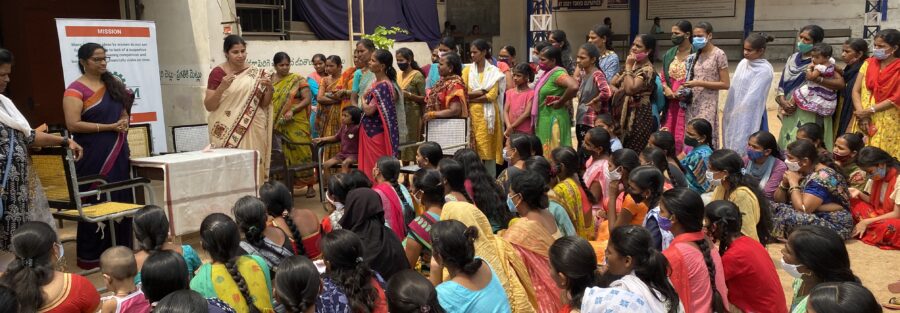
Awareness Is Power: The Missing Link in Empowering Women for Sustainable Livelihoods
Empowering women for livelihoods begins not with resources or funding, but with awareness. Awareness is the foundation upon which confidence, choice, and capability are built. For millions of women—especially in rural and semi-urban communities—the lack of awareness about opportunities, rights, schemes, skills, and markets remains one of the biggest barriers to economic independence. Without awareness, even the best programs fail to reach their true potential.
Awareness helps women see possibilities beyond survival. Many women remain engaged in low-income, informal, or unpaid work not because they lack ability, but because they are unaware of alternatives. Awareness programs open windows to new livelihood options—entrepreneurship, skill-based enterprises, value-added activities, and local employment—aligned with their strengths and local resources. When women understand what is possible, they begin to imagine what is achievable.
One of the most critical roles of awareness is enabling women to access existing support systems. Governments, financial institutions, and development agencies offer numerous schemes for skill training, credit, insurance, social security, and enterprise support. However, limited information, low literacy, and lack of handholding prevent women from benefiting from these initiatives. Awareness bridges this gap by translating policies into practical knowledge and guiding women on how to access entitlements meant for them.
Awareness also strengthens confidence and decision-making. Social conditioning often restricts women’s participation in financial and livelihood-related decisions. Through awareness sessions, women learn about their rights, financial literacy, leadership, and legal protections. This knowledge empowers them to speak up, negotiate, and take informed risks—key traits required for sustainable livelihoods.
For livelihoods to be sustainable, awareness must extend beyond skills to include market understanding. Women need to know what products or services are in demand, how pricing works, quality expectations, and how markets function. Awareness of digital tools, branding, and customer needs enables women to move from subsistence activities to income-generating enterprises with growth potential.
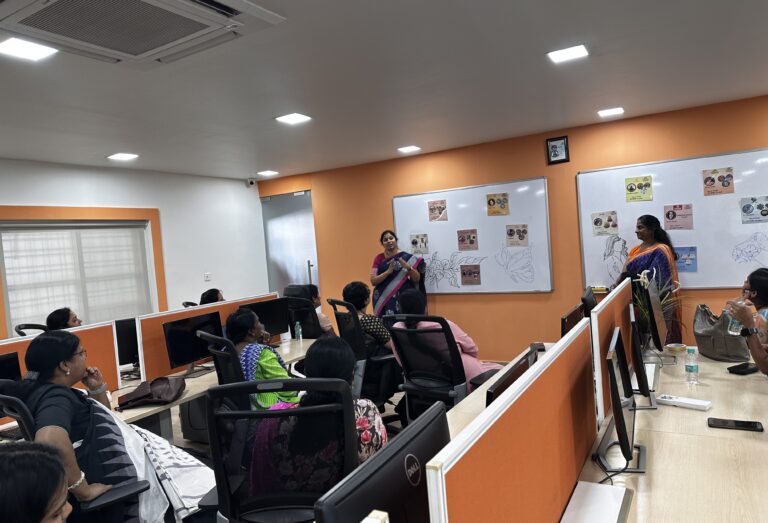
At the community level, awareness creates a multiplier effect. Informed women become change agents—sharing knowledge with peers, motivating others to participate, and challenging restrictive norms. As awareness spreads, communities become more supportive of women’s economic participation, leading to collective progress rather than isolated success stories.
Importantly, awareness is not a one-time event—it is a continuous process. As markets evolve, technologies advance, and policies change, women must be kept informed to remain resilient and competitive. Sustained awareness initiatives, combined with skill development and access to opportunities, ensure long-term empowerment rather than short-term outcomes.
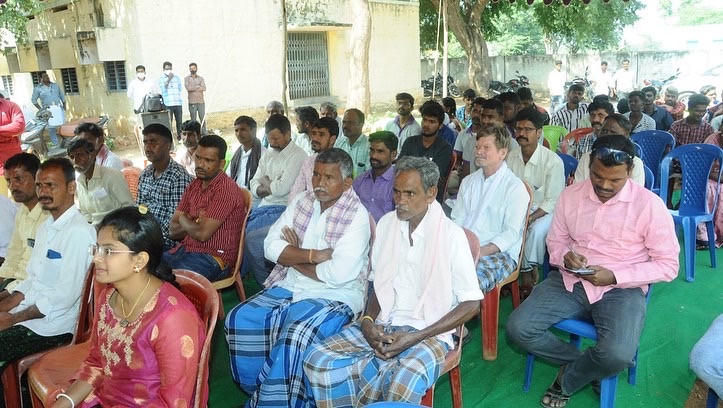
Empowering women for livelihoods is not only about creating income—it is about creating agency, dignity, and choice. Awareness lights the path from dependence to independence, from invisibility to leadership.
When women are aware, they are empowered. When women are empowered, livelihoods become sustainable.


