
Before Startups Had Names, Women Were Already Entrepreneurs
Long before the word entrepreneurship entered everyday language, women were living it—quietly, consistently, and brilliantly. Our mothers and grandmothers may never have written business plans or pitched to investors, but they mastered the most complex enterprise of all: running a household with limited resources and unlimited responsibility. In truth, women have always been born entrepreneurs—we just never called them that.

In earlier generations, most women worked within the four walls of their homes. But those walls contained daily decisions that required strategy, negotiation, risk management, and innovation. With whatever income a man earned for the family—often uncertain, fixed, or modest—women planned budgets, stretched resources, prioritised needs, managed crises, and still ensured dignity, warmth, and stability at home. That is entrepreneurship at its purest form: doing more with less.

These women understood cash flow before spreadsheets existed. They knew how to allocate money across food, education, health, festivals, emergencies, and savings. They practised inventory management in kitchens, supply-chain optimisation in rationing groceries, and human resource management in balancing the needs of every family member. When income fluctuated, they adjusted instantly. When expenses rose, they innovated. Failure was not an option—because families depended on them.
What makes this legacy even more powerful is that these women did not operate with external validation. There were no titles, salaries, or applause. Their success was measured in full meals, educated children, peaceful homes, and families that stayed afloat during difficult times. They took leaps every day—without safety nets, without recognition, and often without choice.
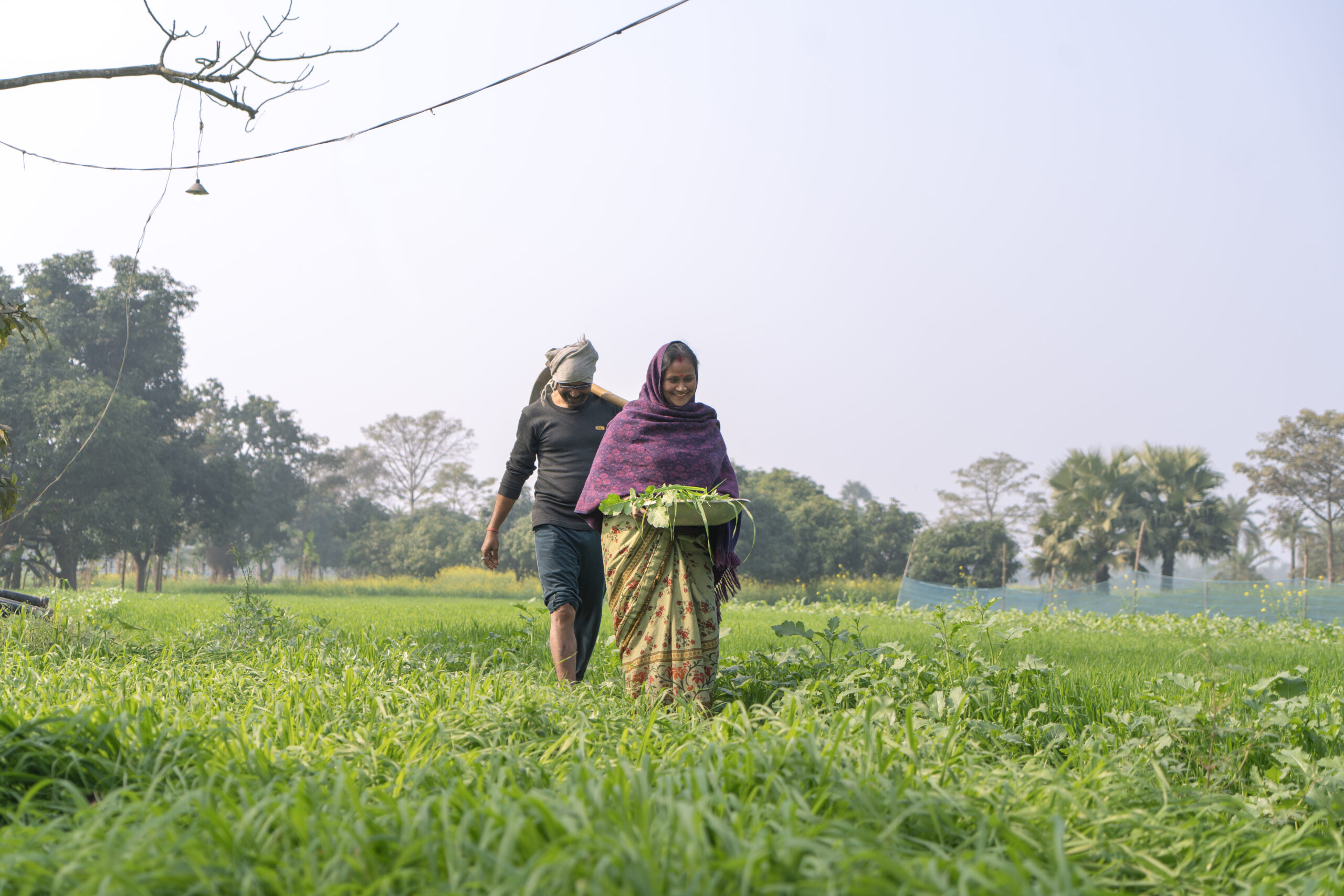
Today’s women entrepreneurs carry this inherited strength. The confidence to multitask, the instinct to problem-solve, the resilience to handle uncertainty—these are not new traits. They are passed down through generations of women who managed homes like enterprises and families like organisations built on care and discipline.
When modern women step into entrepreneurship—whether starting a business, leading a team, or building a venture—they are not starting from zero. They are continuing a legacy. The difference is not capability, but context. What was once confined to homes is now stepping into markets.

Recognising women as born entrepreneurs is not about romanticising struggle—it is about acknowledging competence that was long invisible. It is about honouring the unpaid, unlabelled, yet powerful entrepreneurial roles women have always played.
The leap women take today—into businesses, leadership, and innovation—is not a departure from tradition.
It is an evolution of it.
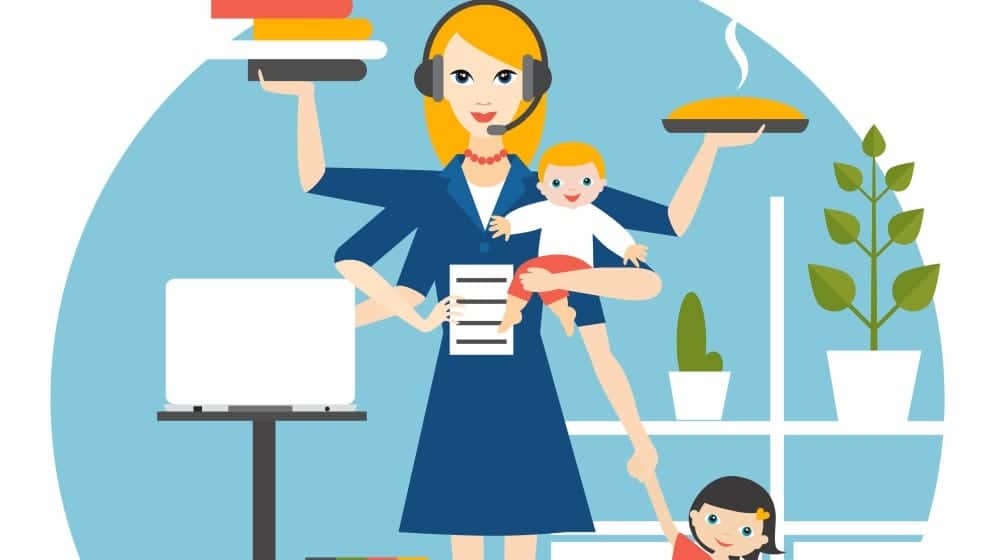
🌱 She didn’t suddenly become an entrepreneur.
She always was—she just changed the stage.


