
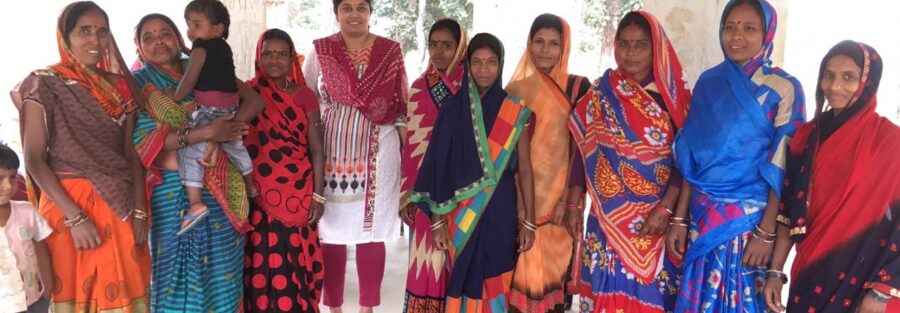
Empowering Hands, Transforming Lives: Why Skill Enhancement for Rural Women Is the Need of the Hour
Across rural communities, women are the silent pillars of households and local economies—managing farms, families, finances, and informal livelihoods with remarkable resilience. Yet, despite their central role, rural women often remain excluded from structured skill development opportunities that could transform their hard work into sustainable income and leadership. Skill enhancement for women in rural communities is no longer a welfare initiative; it is a powerful pathway to economic independence, dignity, and inclusive growth.
Most rural women possess traditional skills rooted in agriculture, food preparation, crafts, livestock care, and community services. However, the absence of modern techniques, quality standards, business knowledge, and market exposure limits the value of their work. Skill enhancement bridges this gap by upgrading traditional knowledge with contemporary skills—such as food processing and packaging, quality control, digital literacy, financial management, and entrepreneurship—enabling women to convert effort into enterprise.
For rural women, skills are closely tied to confidence and choice. Many women hesitate to step into income-generating roles due to lack of exposure, fear of failure, or social conditioning. Structured training programs provide not just technical knowledge, but also self-belief, leadership ability, and decision-making power. When women acquire skills, they gain the confidence to negotiate, lead groups, manage finances, and participate actively in community and household decisions.
Skill enhancement also plays a critical role in reducing economic vulnerability. Rural households often depend on seasonal income, making them highly susceptible to climate shocks and market fluctuations. Skilled women can diversify household income through value-added activities, micro-enterprises, and local manufacturing, creating year-round livelihood options. This diversification strengthens family resilience and reduces distress migration.
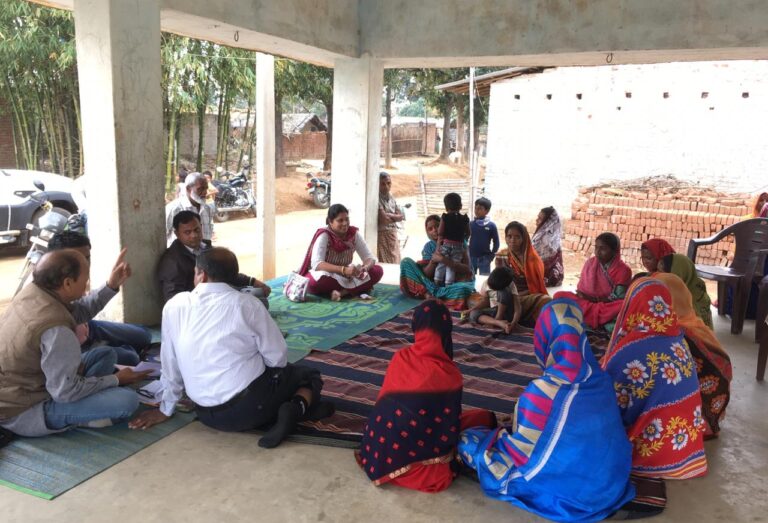
Importantly, skill development for rural women must go beyond training alone. Without access to finance, infrastructure, mentorship, and markets, skills remain underutilised. Effective programs link skill enhancement with incubation support, self-help groups, cooperatives, and market platforms—ensuring that learning leads to livelihoods. When skills are aligned with local resources and real market demand, women-led enterprises become sustainable and scalable.
Investing in rural women’s skills has a multiplier effect. Women reinvest their earnings in nutrition, health, education, and community well-being, creating intergenerational impact. Skilled women become role models, inspiring other women and girls to aspire beyond limitations and see entrepreneurship as a viable path.
The need for skill enhancement among rural women is not just about employment—it is about equity, agency, and nation-building. When rural women are skilled, confident, and economically empowered, villages thrive, communities prosper, and development becomes truly inclusive.

Empowering rural women with skills is not charity—it is the smartest investment in a sustainable future.


