
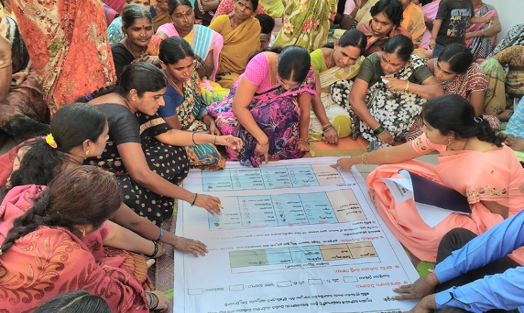
Rural communities are the backbone of India’s economy, culture, and food security, yet they remain among the most underserved when it comes to access to modern skills and livelihood opportunities. For decades, rural talent has been viewed through a narrow lens—limited to agriculture or informal labor—while the realities of a rapidly changing economy demand diversified, market-ready skills. Today, the need for skill enhancement in rural communities is no longer optional; it is urgent, strategic, and transformative.
A large section of rural youth and women possess immense potential but lack exposure to structured training, practical education, and career pathways. Traditional education systems often fail to align with local resources, market demand, or emerging opportunities in manufacturing, services, agri-processing, and digital enterprises. As a result, many rural households depend on low-income, seasonal work or forced migration to cities, perpetuating cycles of economic vulnerability.
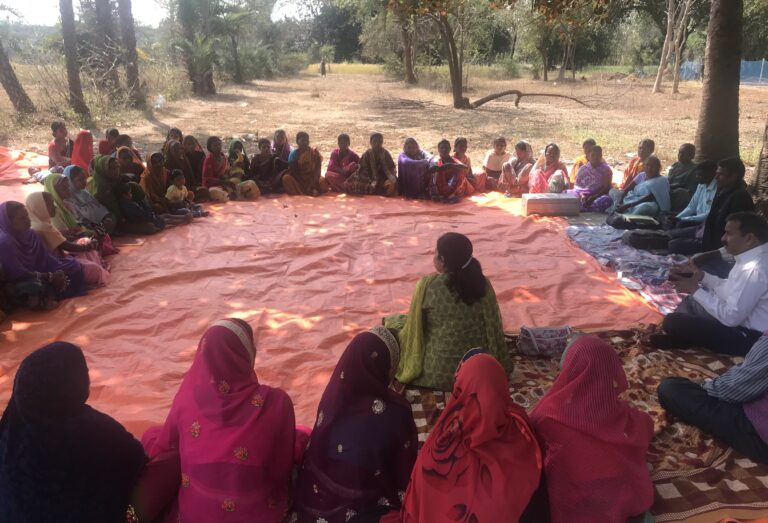
Skill enhancement is the bridge between availability of labour and employability. When rural communities are equipped with relevant technical, entrepreneurial, and life skills, they shift from being job seekers to job creators. Skills in food processing, value addition, packaging, quality control, handicrafts, textiles, renewable energy, digital services, and agri-based enterprises can unlock sustainable livelihoods rooted in local ecosystems. Importantly, skill development must move beyond classroom theory to hands-on, experiential learning that builds confidence and real-world competence.
For rural women, skill enhancement is deeply linked to dignity, independence, and agency. Women often carry the burden of unpaid labour despite being central to local economies. Targeted training enables them to monetise skills, formalise enterprises, access markets, and participate in decision-making—both at home and in the community. When women are skilled, entire families and villages experience upward mobility.
 Another critical challenge is the mismatch between skills and market access. Training without pathways to income leads to frustration and dropout. Effective skill enhancement programs must be integrated with incubation, mentorship, access to finance, infrastructure, and market linkages. This ecosystem approach ensures that skills translate into livelihoods, enterprises, and long-term economic resilience.

In a world driven by technology and climate challenges, rural skill enhancement is also essential for sustainability. Climate-smart agriculture, food processing, circular economy models, and green livelihoods require new knowledge and adaptive skills. Empowering rural communities with these capabilities not only improves incomes but also strengthens food security, environmental stewardship, and local economies.
The question is no longer whether rural communities need skill enhancement—it is whether we are willing to invest in them as partners in growth rather than beneficiaries of aid. When skills meet opportunity, rural India does not just survive; it leads.
Skill enhancement is not about teaching people to work—it is about enabling them to build their own futures.


